Impulses: Events
Keynote address by Zeynep Kalkavan-Aydın: Multilingualism between individuality and group dynamics – potential, practices and areas of tension in the classroom
19 June 2026, 10.45–11.30 am
, Meerscheinschlössl Ballroom, Mozartgasse 3, A-8010 Graz
Keynote address as part of the conference ‘More than just a resource – multilingualism didactics
as a path to greater educational equity’ in cooperation with the Centre for Didactics of German as a Second Language & Language Education.
Whilst national and international discourse on language education increasingly emphasises the value of multilingualism and its focus on resources and potential, the actual added value of multilingualism-sensitive approaches and practices in the classroom for language and subject-specific learning remains a matter of debate outside this discourse.
This presentation addresses these debates and relates them to current empirical findings (e.g. Decristan et al., 2024; Gogolin et al., 2021). The focus is on how multilingualism is utilised interactionally in the classroom and what significance it holds for learning processes. As a first step, drawing on critical discussions of concepts such as pedagogical translanguaging (Cenoz & Gorter, 2022), an overview will be provided of multilingualism-sensitive approaches and studies on multilingual classroom interaction (e.g. Kupitz & Becker, 2024). In the second part, classroom excerpts relating to language mediation from an international project are analysed (Kalkavan-Aydın, 2025). These examples illustrate how multilingualism is functionally utilised in the interaction between teachers and learners, whilst at the same time being situationally negotiated. This highlights the tension between individual linguistic and professional backgrounds and the group dynamics of a linguistically heterogeneous learning group (Kramsch & Zhang, 2018).
The analysis highlights both multilingual practices that promote language acquisition and areas of tension between control, openness and participation. Finally, the findings are situated within the current empirical discourse on multilingualism in the classroom and critically reflected upon with regard to the relationship between individuality and group dynamics.
Zeynep Kalkavan-Aydın is a professor of German as a Foreign and Second Language
at the University of Education, Freiburg. She works at the Institute for German Language and Literature in the Department of German as a Second Language/German as a Foreign Language.
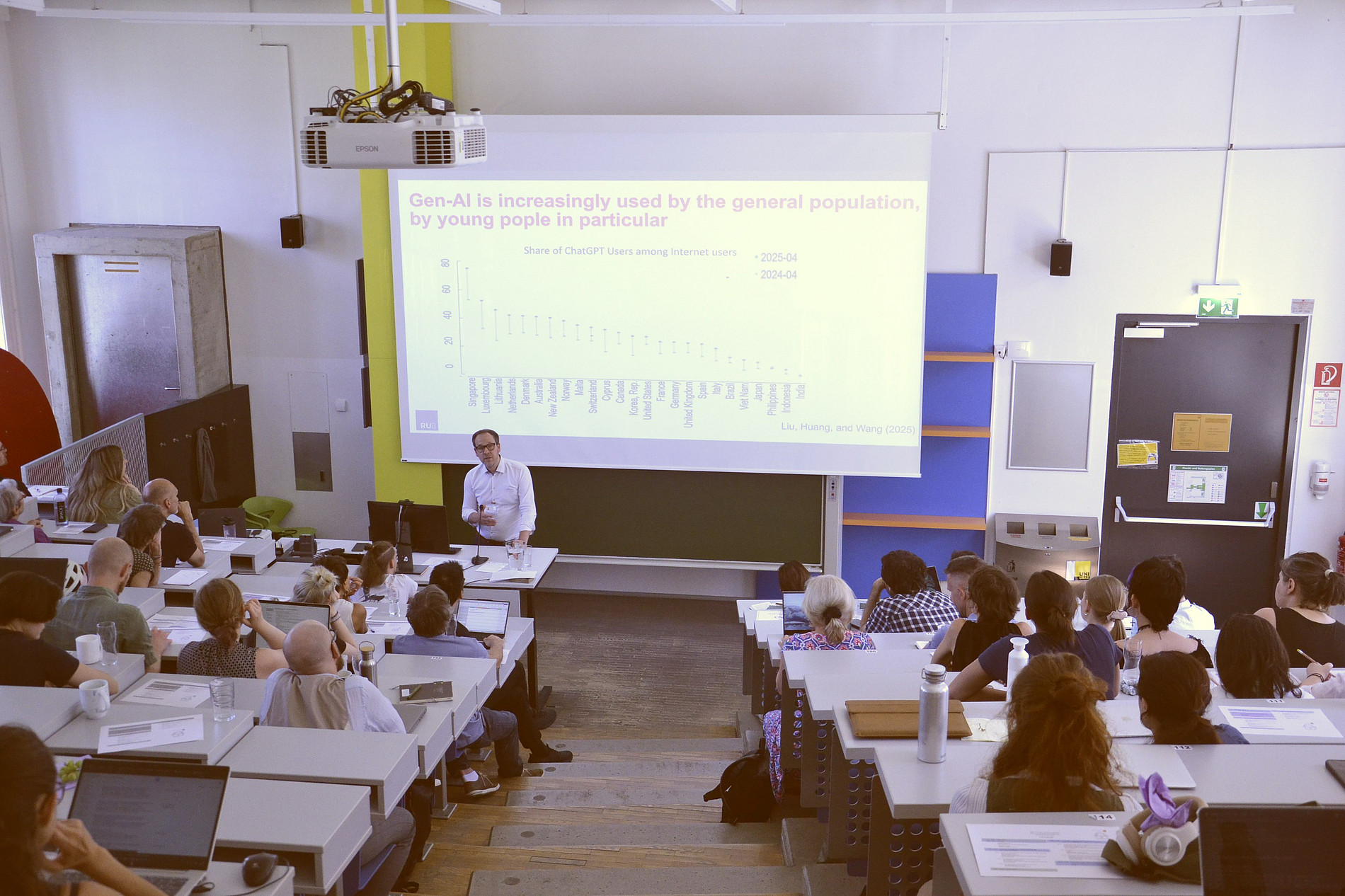
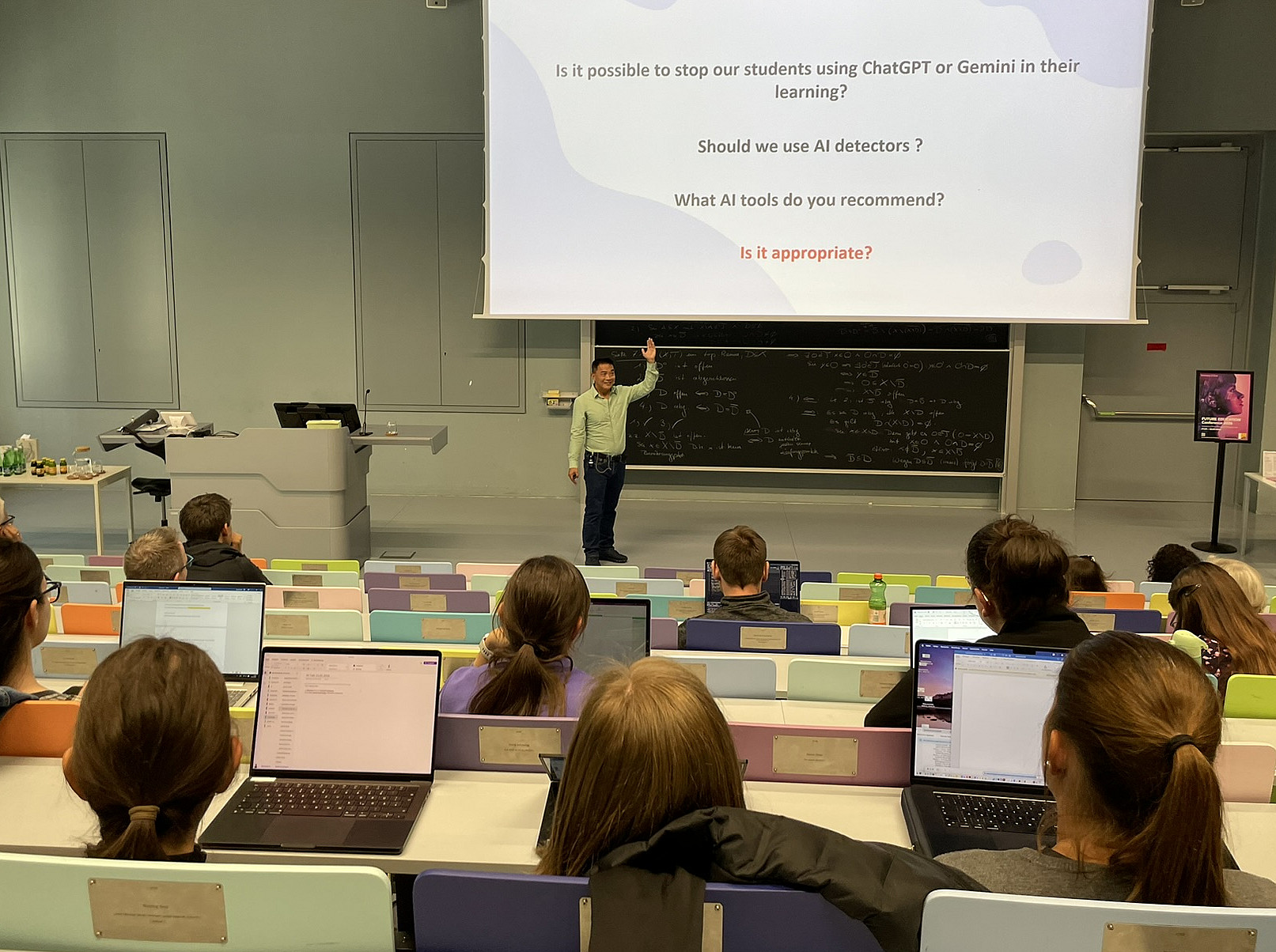
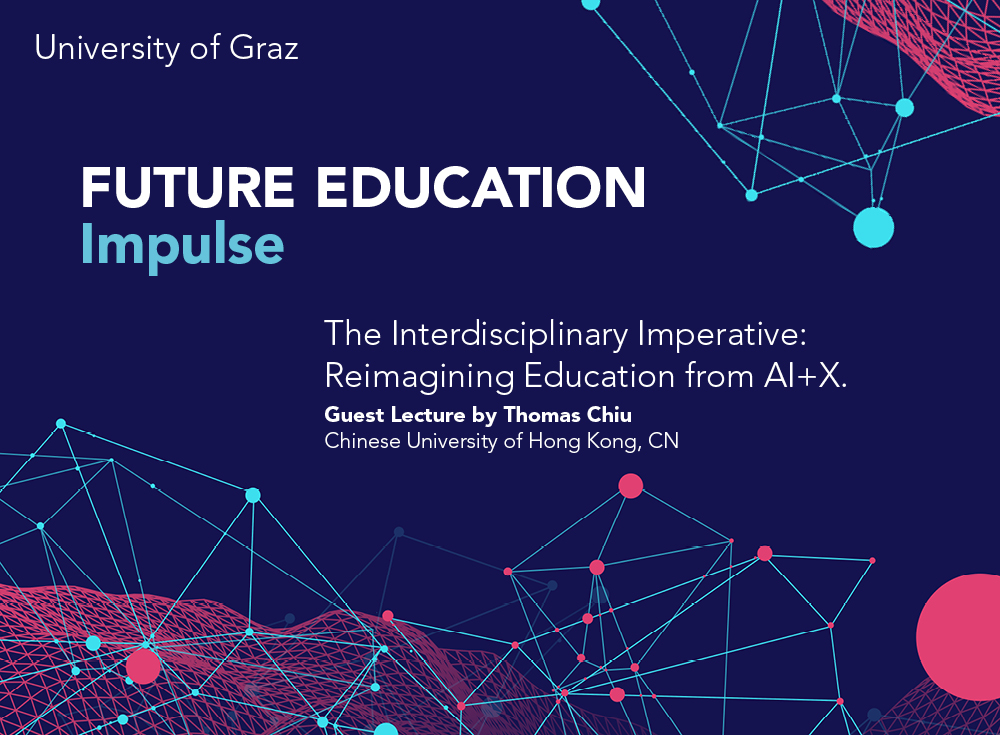
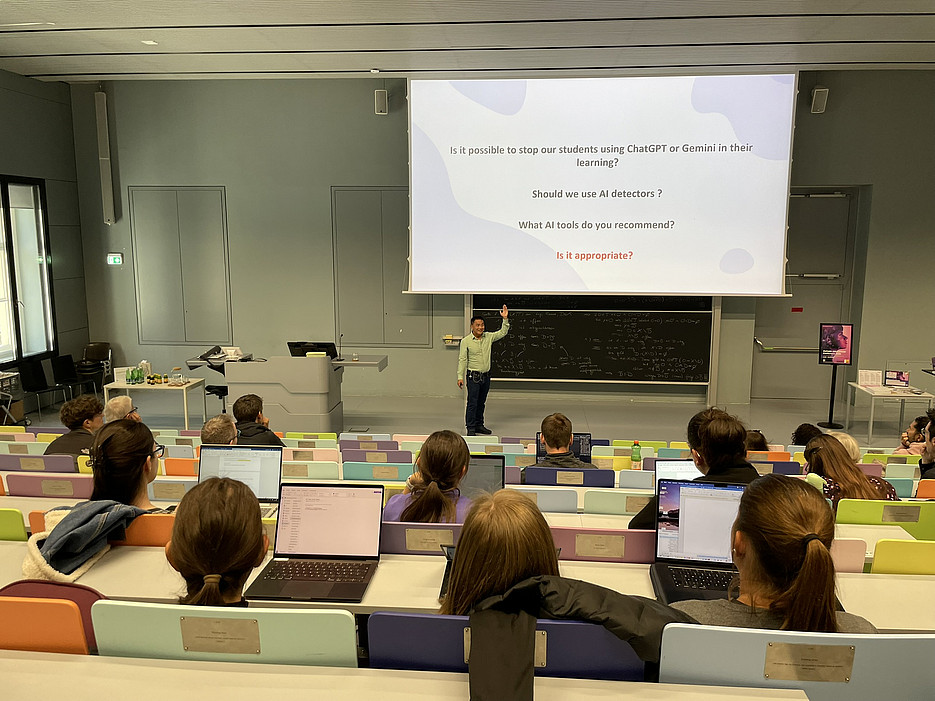
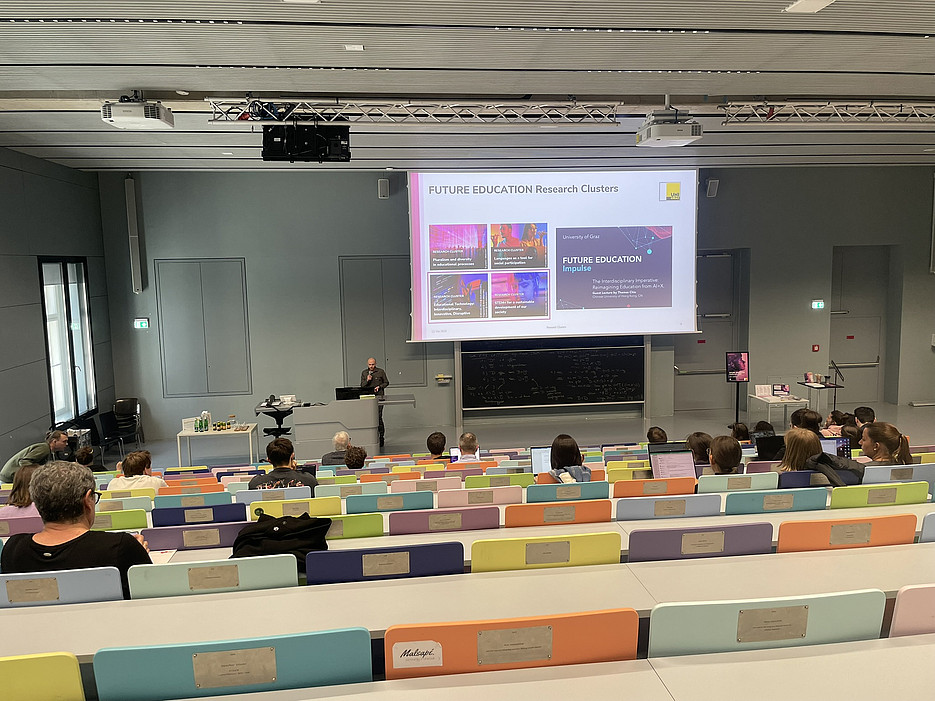
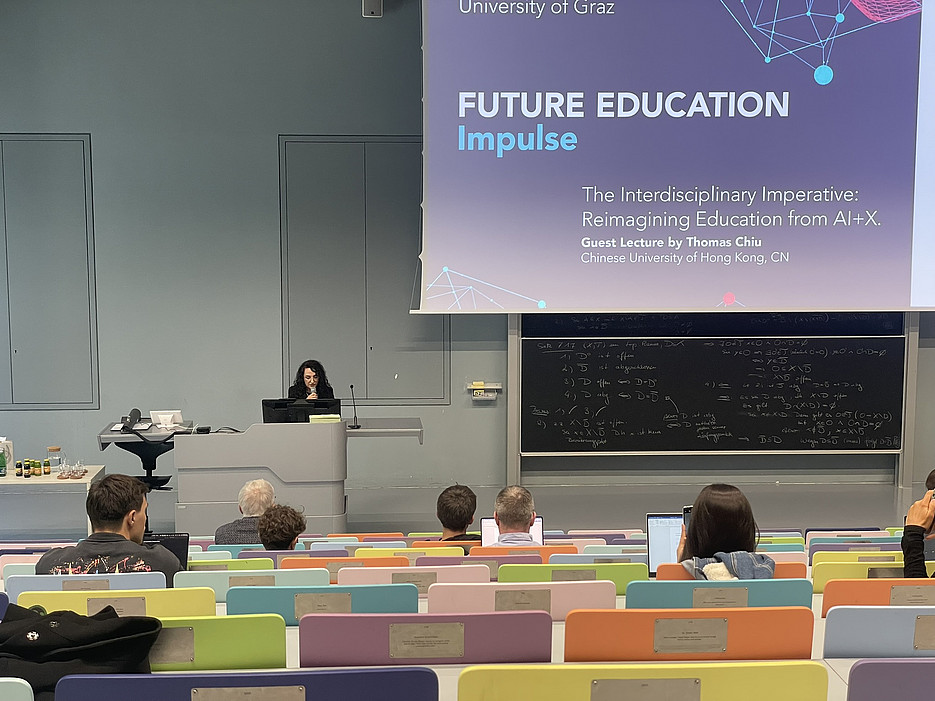
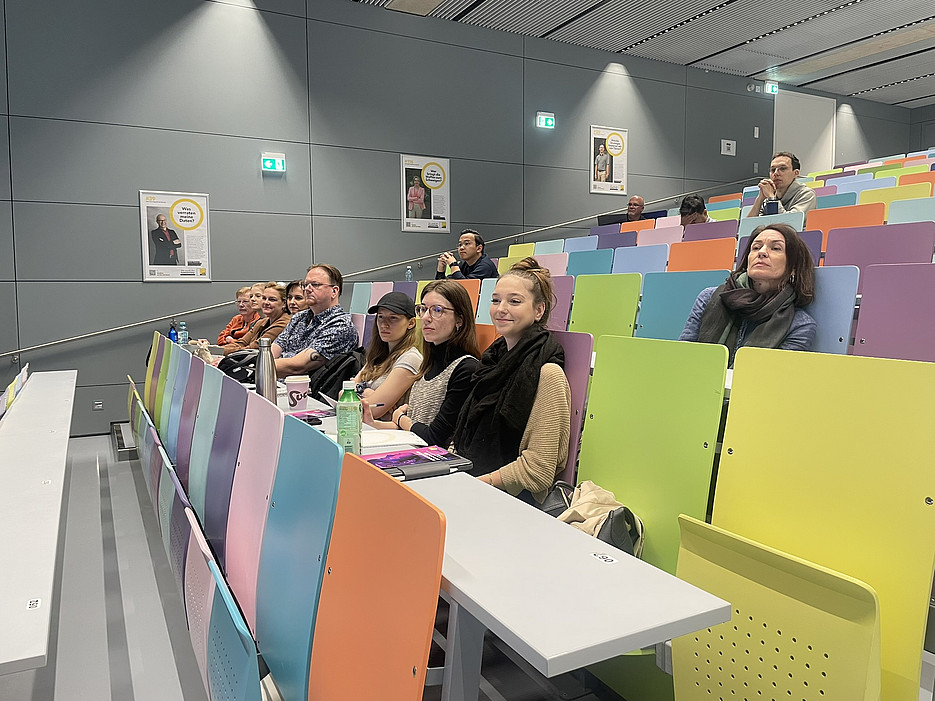
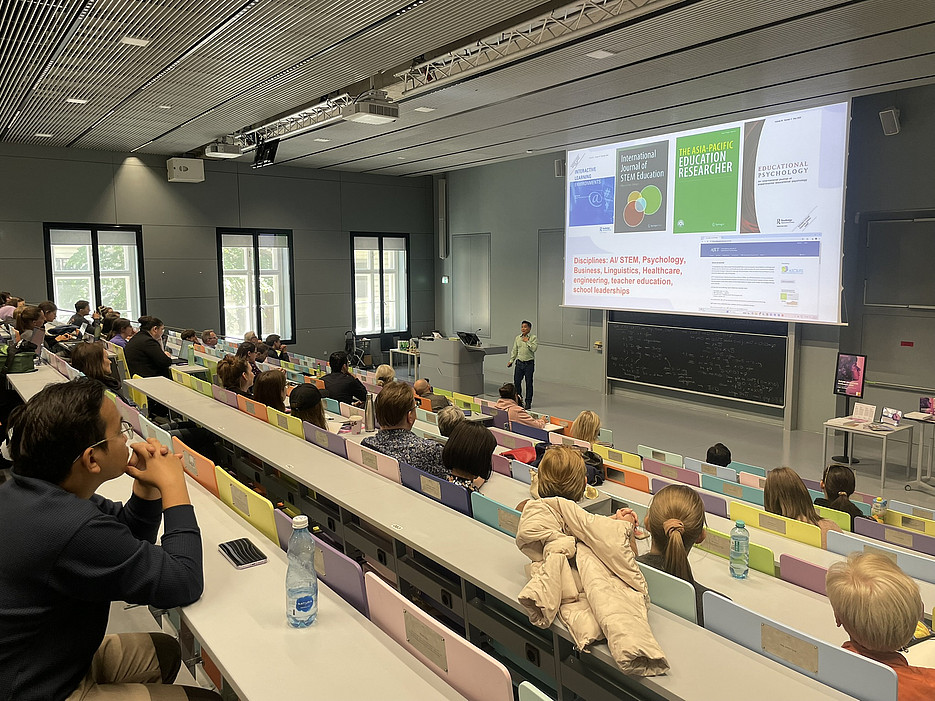
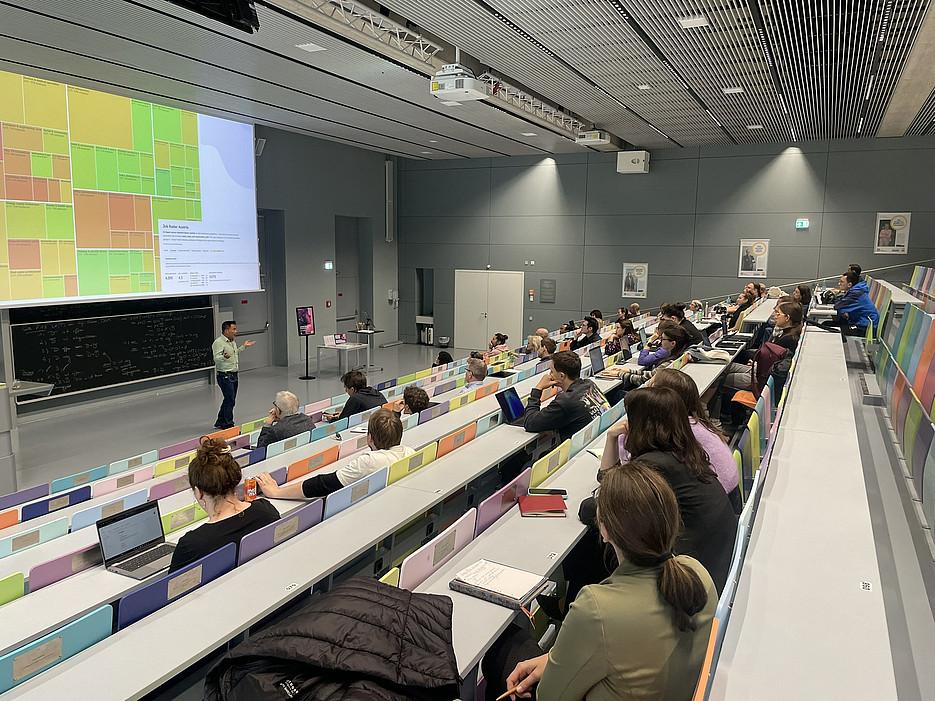
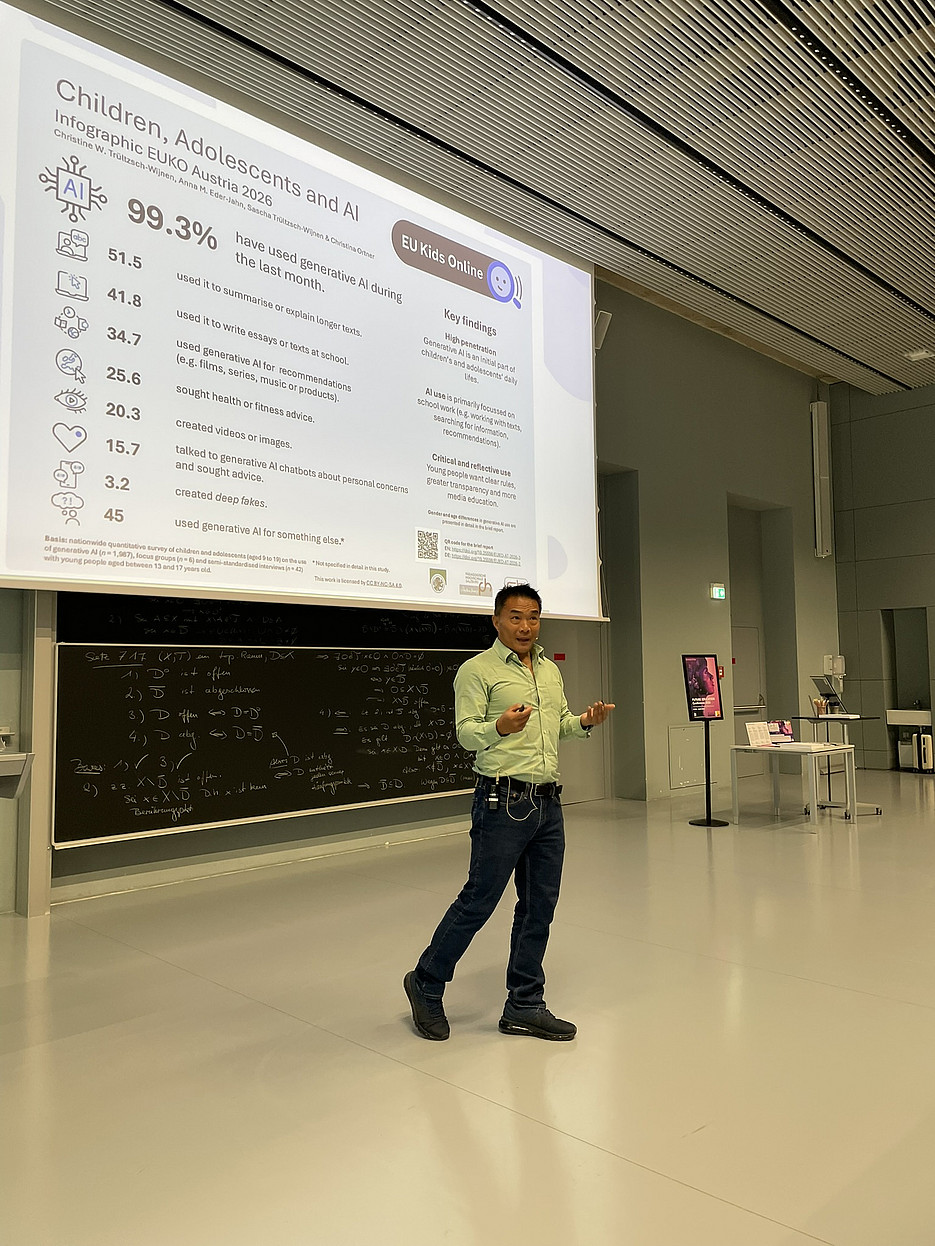
Guest lecture by Thomas Chiu: "The interdisciplinary imperative: reimagining education through AI+X"
Wednesday, 13 May 2026, 1.30 - 3.15 pm
Alumni Lecture Theatre at the University of Graz - Universitätsplatz 3a/GF, 8010 Graz
In this talk, Thomas Chiu will discuss the interdisciplinary imperative in higher education, arguing for a shift from AI as a mere tool to an AI+X framework that integrates AI across disciplines. Drawing on recent research and institutional experience, Thomas Chiu examines how generative AI transforms student learning outcomes, assessment practices, pedagogy, and curriculum design. Rather than focusing on plagiarism concerns, he highlights student perspectives and advocates for embedding AI literacy, human skills, and interdisciplinary thinking into core education. The goal is to prepare future-ready graduates who can critically collaborate with AI whilst exercising human judgement, creativity, and ethical reasoning.
Thomas Chiu is an Associate Professor of AI and STEM Education at The Chinese University of Hong Kong. A globally recognised scholar, he is named a Stanford University Top 2% Most Cited Scientist (#20 in 2025). His research, funded by various local and global grants focuses on AI in education, STEM/Mathematics education, educational policy, and teacher education. He provides significant editorial leadership as Editor-in-Chief of Interactive Learning Environments and Associate Editor for four leading journals: Educational Psychology, The International Journal of STEM Education, the Australasian Journal of Educational Technology, and Asia Pacific Educational Researcher. His expertise is sought internationally, as evidenced by his appointments as a visiting scholar across various regions. He drives innovation through the development of professional development initiatives and curricula for AI education, as well as AI applications designed to foster core skills. He regularly shares his expertise as a keynote and invited speaker at global academic and professional forums.